Kuala Lumpur Through Real Eyes: A Candid Travel Experience
By Halaltravelpal | April 18,2026 Kuala Lumpur Through Real Eyes: A Candid Travel Experience In a recent poll inside our
A journey beyond the medinas and mint tea into the real rhythm of Moroccan life.
By Lana Abdelaziz
By Lana Abdelaziz – Oct 08,2026
A journey beyond the medinas and mint tea into the real rhythm of Moroccan life.
By Lana Abdelaziz
When I told friends I was going to Morocco, the reactions were almost universal “You’re going to love the food.” And they were right. But no one warned me that Morocco is not all mint tea and tagine pots, it’s about people who open their doors to you as if you’ve always belonged there.
I stayed with a Moroccan family for two weeks, and the trip ended up being about belonging rather than travelling. It gave me something no guidebook could, the unhurried pace of everyday Moroccan life.
“The most compelling things are the quiet ones, the morning bread run, the family couscous, the fog of the hammam.”
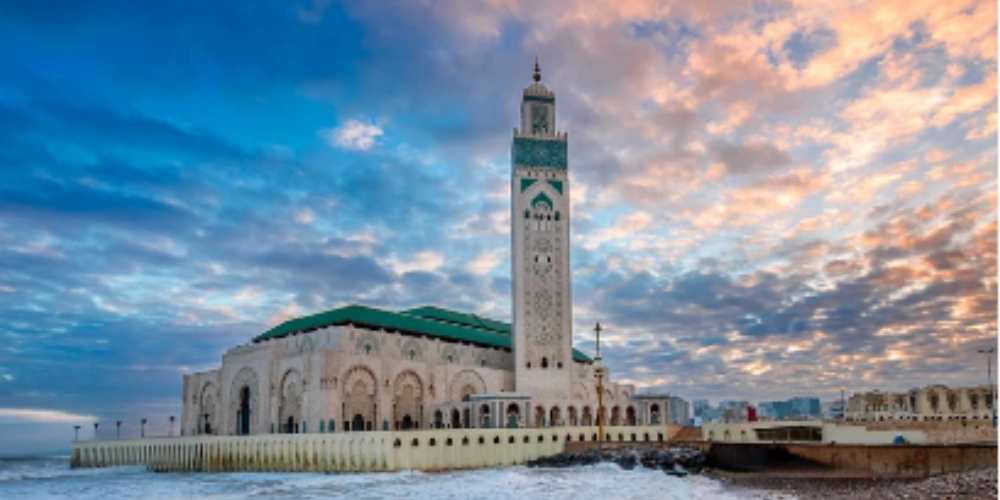
Casablanca is not the romantic, cinematic city you’ve imagined. It’s noisy, busy, and nothing like the film.
My host family lived in a middle class neighbourhood, far from the polished cafes alongthe Corniche. Every morning, I’d slip on house clothes, nothing different from what everyone else wore and walk down to the local bakery. This wasn’t a tourist moment. It was just normal life.
Everyone knew the baker’s name. People called out to each other, grinning while they waited. No one looked twice at me. I loved that, the quiet acceptance that comes without conditions. Pulling home the warm, round khobz (bread) became my favourite ritual, and the simplest way to feel like I belonged to the neighbourhood.
My best experience in Casablanca happened in the kitchen. My host mother was showing me how to make couscous properly, steaming it three times, fluffing it with oiled hands, layering it with vegetables and lean meat. Initially I just enjoyed watching and then she invited me to get involved.
When I finally lifted the lid of the couscoussier and that fragrance rose into the air, I understood, Moroccan food has nothing to do with eating. It’s a form of love, expressed through repetition.
When we sat down to eat, all of us, fingers in the same dish, nudging me gently when I struggled, it was a closeness you simply don’t find in a restaurant.
Local Tip: Skip the busy cafés along the Corniche. The small neighbourhood tea houses are where Casablanca’s real character lives, where every face starts to feel familiar.
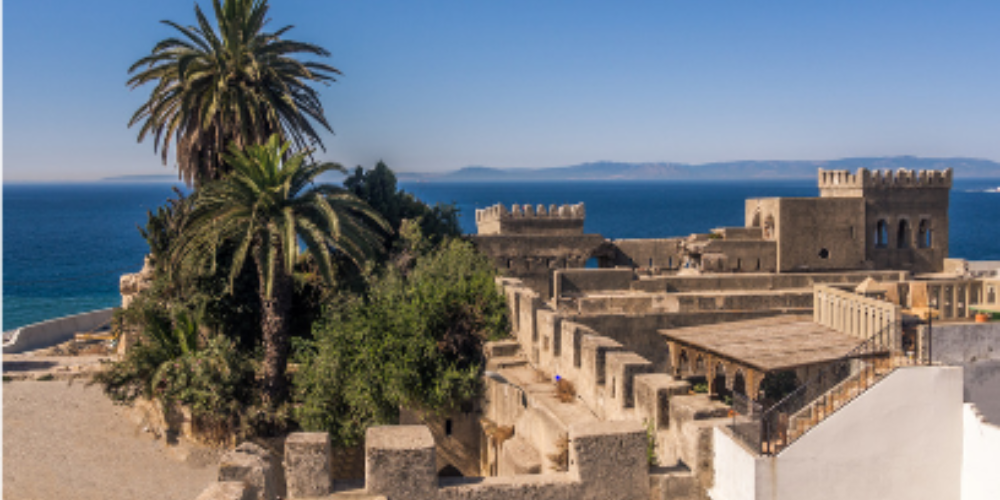
We headed north to Tangier, a city that leans toward Europe but stays Moroccan in its soul. The sea air, the hills, and the way the medina wraps itself around the port made it feel like standing at the margin between two worlds.
Asilah was immediately different. Quieter. Whiter. Slower. The medina walls were painted with murals from the town’s annual art festival. Children ran through the alleyways; elderly men sat on stoops watching life pass like time had agreed to slow down here.
It was there I began to understand that Moroccans don’t chase time the way many of us do. They let it move past them.
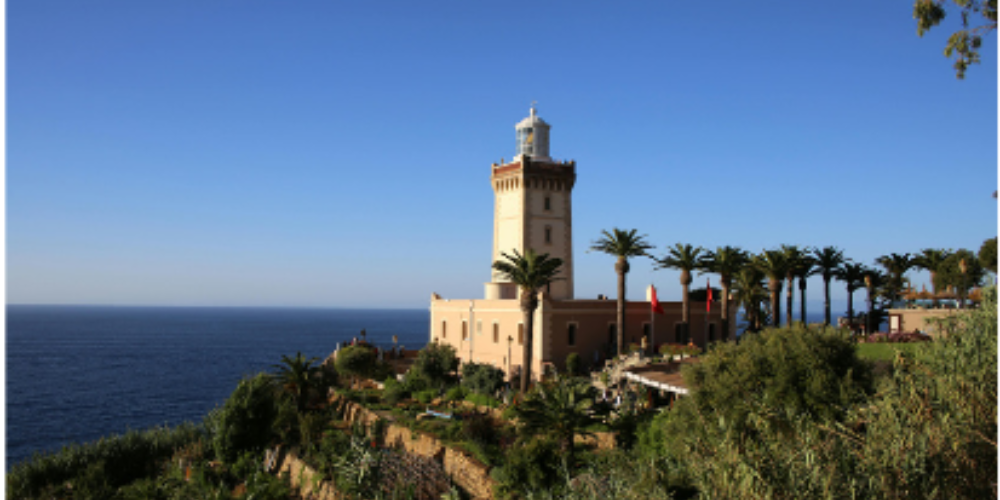
Just outside Tangier, Perdicaris Park will offer you a quiet retreat from the medina’s energy, winding paths, dense greenery, and amazing views across the Strait of Gibraltar toward Jabal Tariq. It’s the kind of place you stumble into and stay far longer than
planned.
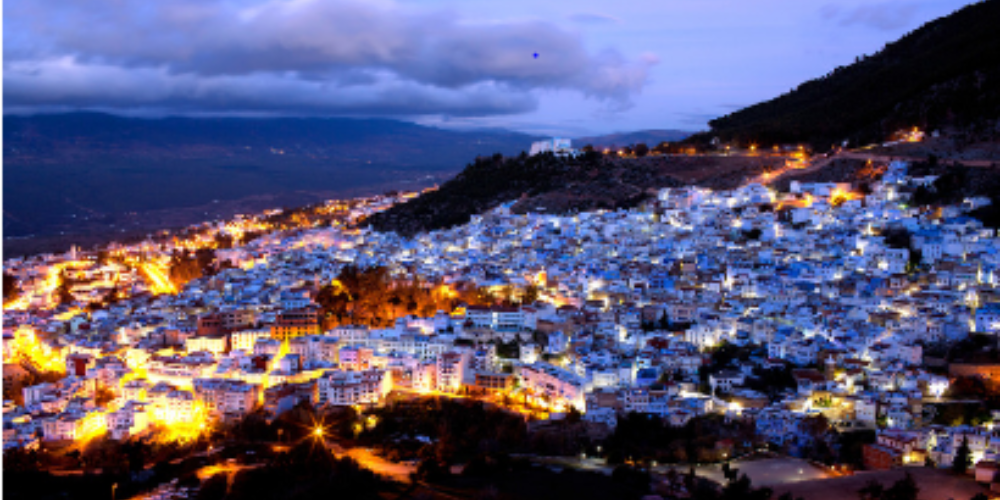
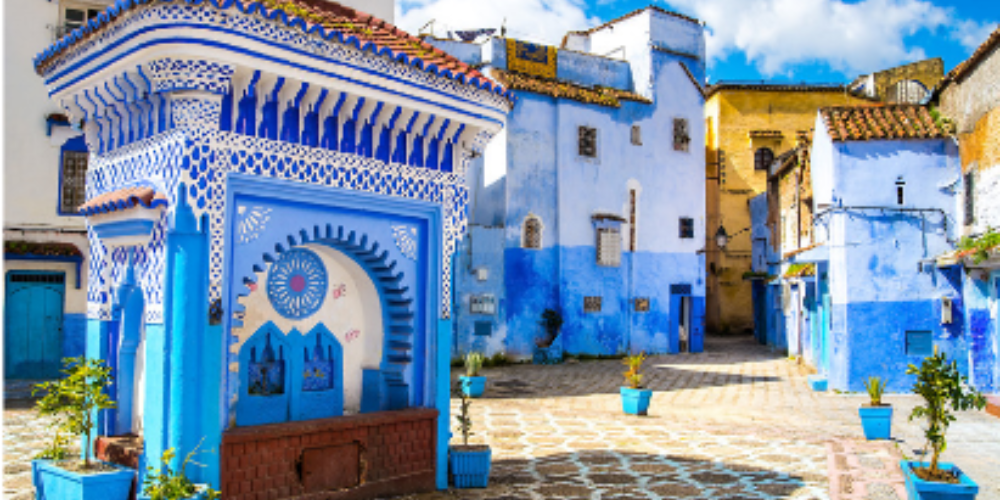
I thought I already knew Chefchaouen from Instagram. I did not.
The blue felt like it was grown into the stone, not applied to it. Morning light hit the walls. Cats slept in corners. Women carried baskets of herbs down narrow steps.
One of the things I thoroughly enjoyed throughout Morocco was the freshly squeezed orange juice. Here again, we drank fresh orange juice in the square and climbed winding alleys until we reached a rooftop with an open view of the Rif Mountains. That evening, wrapped in a borrowed djellaba (a traditional long, hooded Moroccan robe), I felt simultaneously foreign and completely at ease, which is perhaps the best way to travel anywhere.
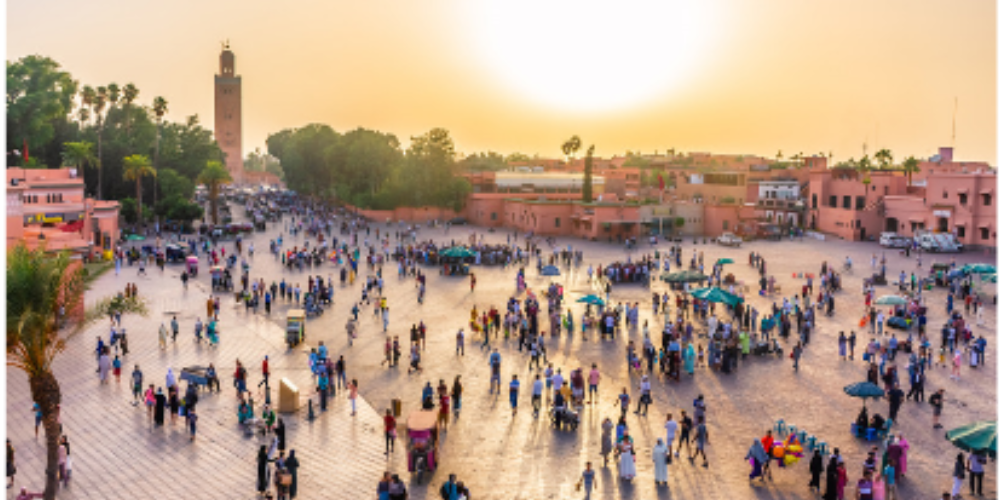
Marrakech was chaos, the kind that smells of cumin and sounds like drums. Jemaa el Fna square overwhelms every sense: snake charmers, henna artists, sizzling meat stalls filling the air with smoke. I had worried I might feel claustrophobic but soon I got used to it.
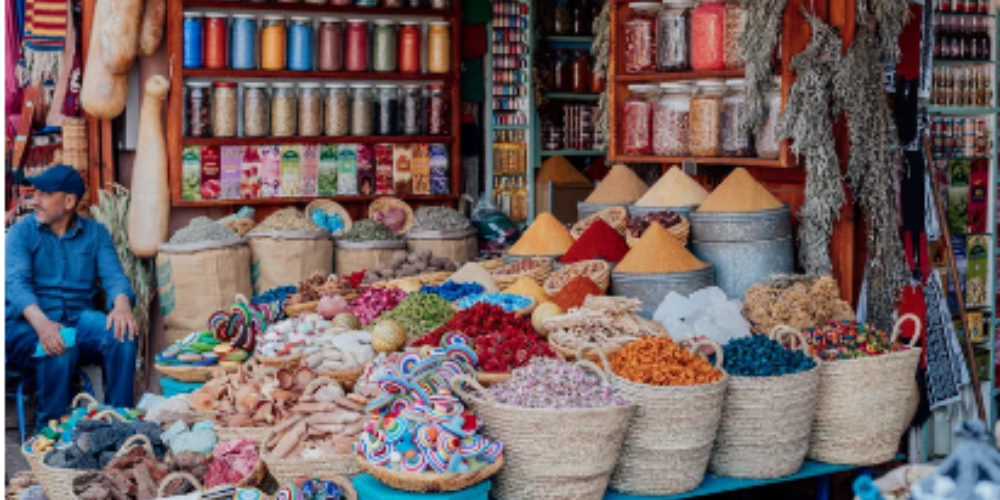
Amid the noise, there were small shops where merchants pressed and blended oils in front of you, argan, rose, amber, pouring them into stoppered bottles. I bought more than I needed. But watching something be made by hand, right there, and then taking it home like carrying a small piece of the city out with you.
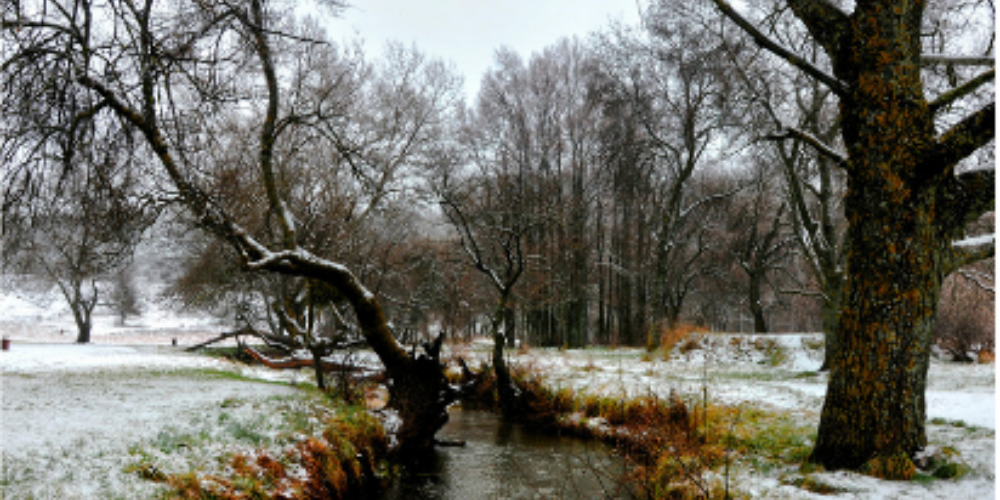
Somewhere between the Atlas Mountains and Ifrane, the town locals call ‘Little Switzerland’ I saw snow in Morocco and it stopped me completely.
Children chased each other through patches of white. Families picnicked in the cold. Vendors roasted almonds nearby. Morocco is often reduced to souks and desert dunes. But on that day, it showed me its other face: cedar forests, mountain lakes, and a biting wind that snaps you fully awake.
One of the most interesting experiences was visiting the hammam, not the tourist adapted spa version, but the neighbourhood hammam where local families go together.
The atmosphere was simple: steam, warmth, and easy conversation. Women welcomed each other, talked, and found a room where the outside world couldn’t follow.
For me, it wasn’t really about the hammam itself. It was the lesson inside it: slow down. Be still. Be with people. When I stepped back outside into the cool air, I felt lighter as though I’d been cleaned of more than just dust.
After dinner, the family would take me out for halzoun, snails bathed in a spiced broth that street vendors ladled into small bowls. Steam rose from them, carrying cumin, anise, and herbs I couldn’t name. My host friend handed me a toothpick and showed me how to ease the snail from its shell.
Once I took the first sip, I understood why Moroccans crowd around these stalls on cold nights. It wasn’t just the taste. It was the heat warming your hands as much as your stomach.
Sometimes we took a hantour, a horse drawn carriage through the old streets. The clip clop of hooves, the city lights drifting past, the quietness of just watching life happen from a moving seat. Not every journey needs a destination.
Always around me: Arabic at home, French in the shops, Spanish traces in the north, Berber phrases in the hills. People switched languages mid sentence as naturally as breathing as though Morocco itself exists in multiple registers at once.
When people found out I was Masriya (Egyptian), something shifted. Juice sellers refused money. Shopkeepers threw in extras, nuts, olives with a grin. And more than once, always half joking but entirely sincere, someone would say “Give my salam to Adel Imam” as if I knew the legendary Egyptian actor personally.
I laughed every time. But it reminded me that culture travels further than borders and people recognise the country in you before they recognise you.
Travel is usually a checklist, cities, sites, cuisine. But being hosted by a Moroccan family was a reminder that the most lasting things are the quiet ones: the early morning bread run, the family couscous, the fog of the hammam.
Morocco gave me its mountains and its medinas. But it gave me something more durable too: the realisation that home can be built anywhere, as long as someone opens the door.
Morocco for two weeks was not a place. It was family, laughter, fresh food, and blue walls that stay with you long after you’ve left.
Lana Abdelaziz is an Egyptian journalist, writer, and producer, born in Saudi Arabia. She has lived and worked in Istanbul, where her love of storytelling deepened alongside a curiosity for the cultures and people that shape every journey she takes.

By Halaltravelpal | April 18,2026 Kuala Lumpur Through Real Eyes: A Candid Travel Experience In a recent poll inside our

Al-Asr & The Alhambra:Finding a Sense of Divine Time in a World of Haste Written by Kaleemah Muttaqi By the
By Halaltravelpal | Sep 27,2025 Where Travel Meets Art: Discovering Doha’s Hidden Masterpieces Travel is more than ticking boxes, it’s