halaltravelpal.com
97%
Halaltravelpal
0%

January 20,2026

Sarajevo’s Living Legacy Gazi Husrev Beg Mosque and the Heart of the Old City

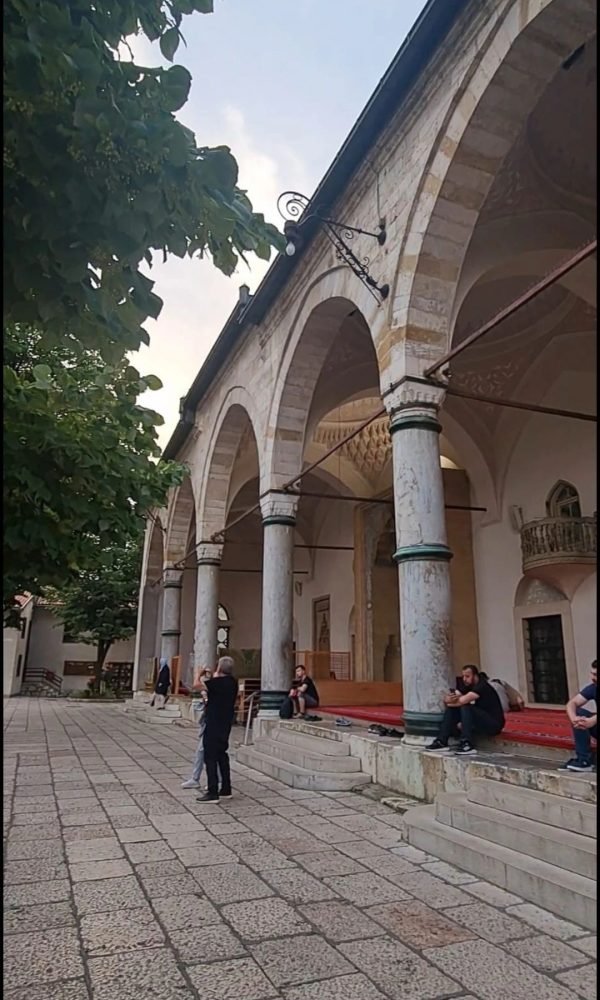
If you want to understand Sarajevo, start with the mosque that shaped it. The Gazi Husrev beg Mosque, completed in 1531, is the most significant Ottoman era mosque in the city and the spiritual anchor of Sarajevo’s old town.

For nearly five centuries, it has remained a working congregational mosque, surviving empires, border changes, and even war, with periods of damage followed by careful restoration.

This was never meant to be a standalone building. It was the centre of a wider waqf (charitable endowment) established by Gazi Husrev beg, the Ottoman governor of Bosnia. Around it grew a madrasa, library, soup kitchen, market spaces, and public services. Prayer, learning, trade, and welfare were designed to sit side by side.

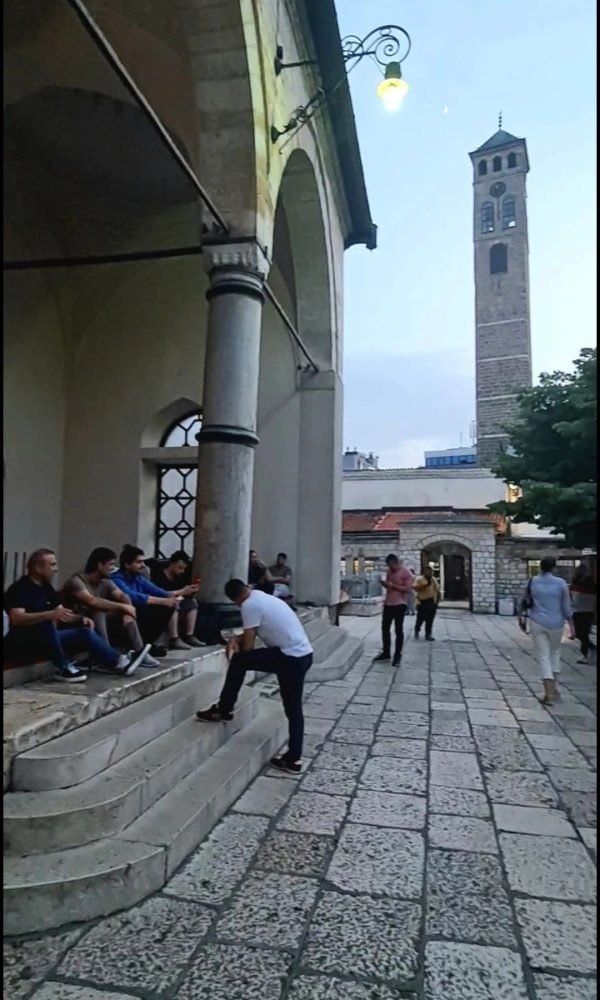
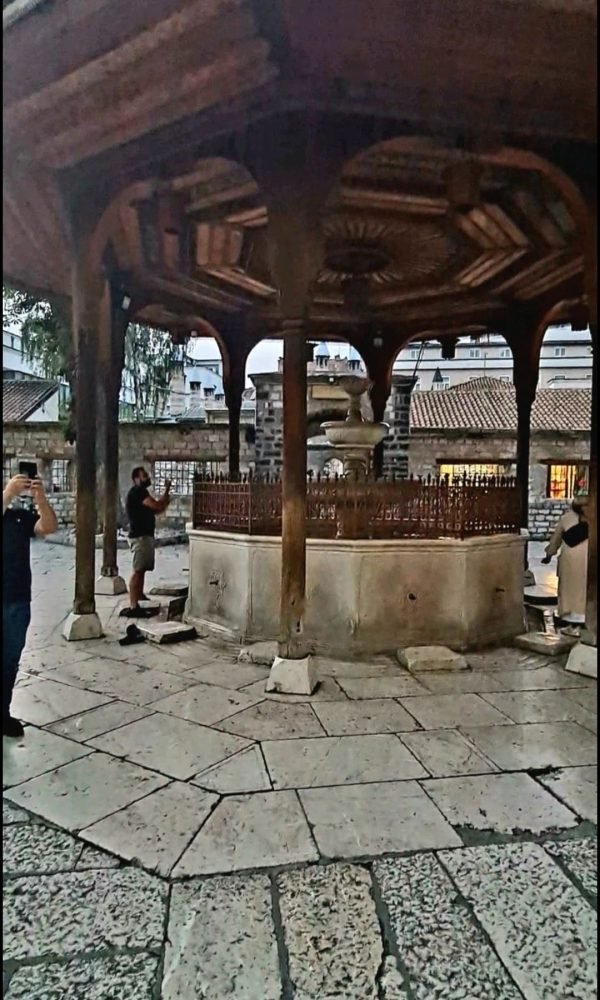
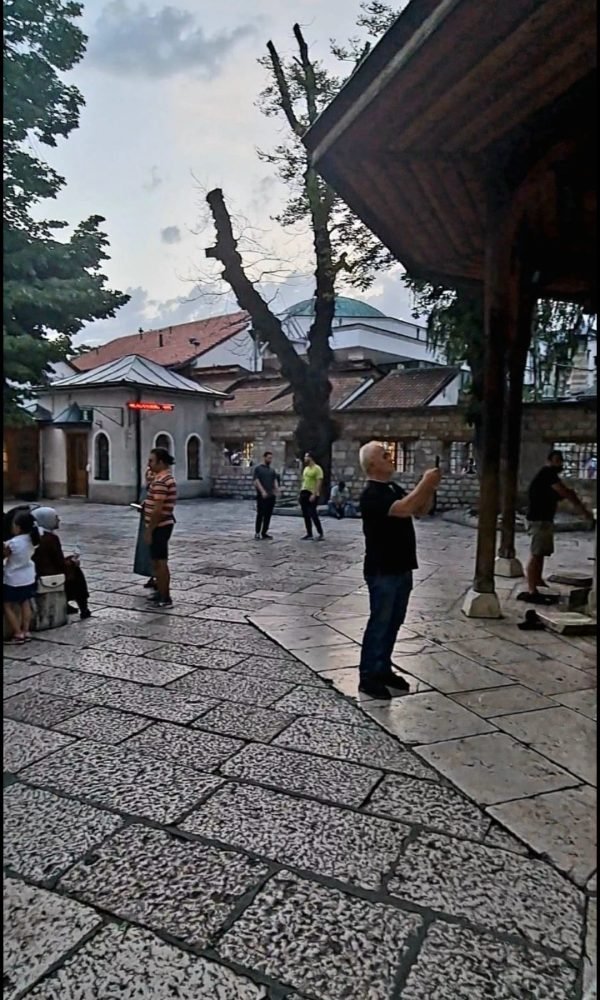
In the courtyard you’ll notice the stone fountain with multiple taps, known as the šadrvan. Historically, this served as a public water source and remains part of the mosque’s ritual landscape today. It also explains why the courtyard feels less like a tourist stop and more like a pause built into the city’s rhythm.

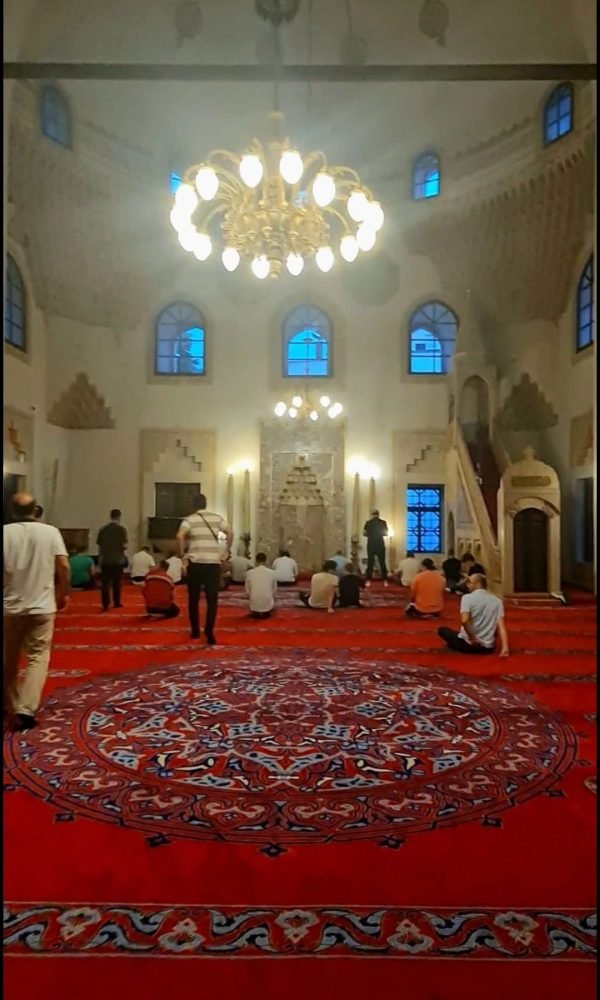
Inside, the mosque is calm rather than ornate. Proportion, light, and acoustics do the work. Locals come here daily, not because it’s famous, but because it functions exactly as it was intended to.

Just across from the mosque is Pekara Imaret, one of Sarajevo’s oldest bakeries and historically linked to the same endowment system. Locals queue here for burek, sirnica, and zeljanica. It’s a small but tangible reminder of how the mosque was embedded in everyday life.

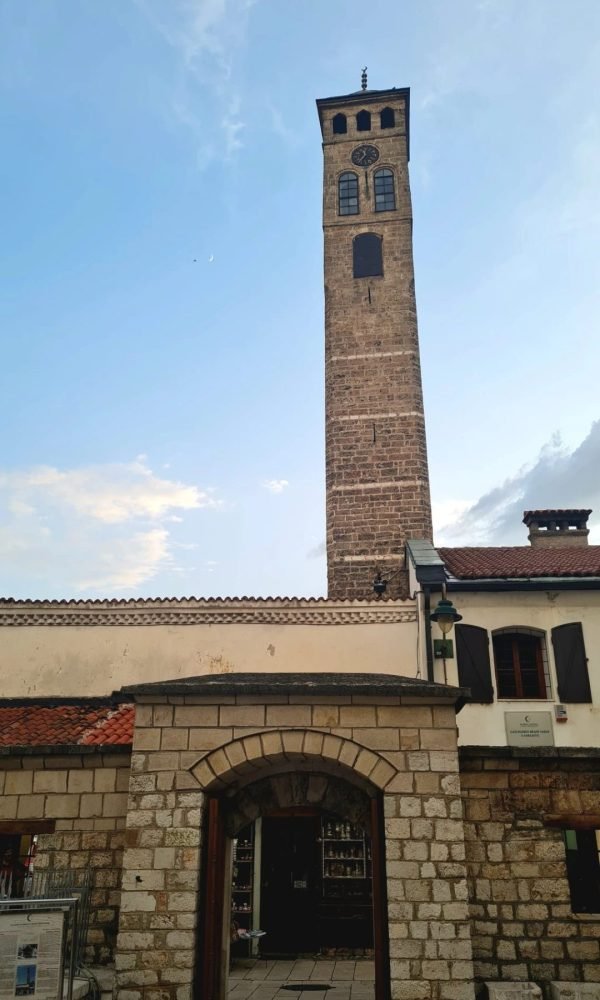
On one side of the mosque stands the hashtag#Sarajevo Clock Tower, a quiet but fascinating detail many visitors walk past. Unlike most clock towers, this one traditionally shows lunar time, set so that midnight aligns with sunset, allowing residents to know prayer times accurately throughout the year. It’s one of the last functioning examples of this system in the world and a reminder that time here was once organised around worship, not schedules.

Surrounding the mosque are key buildings from the same endowment. The Gazi Husrev beg Madrasa (Kuršumlija) trained scholars for centuries, while the nearby Gazi Husrev beg Library preserves thousands of Islamic manuscripts and historical documents. Together, these buildings show that this area was designed as a complete civic centre, not just a religious site.

A short walk away is hashtag#Kazandžiluk, the old silversmith street, where traditional copper and silverwork has been produced for generations.

For Muslim travellers especially, this mosque gives context. Islam in Sarajevo isn’t performative or separated from daily life. It’s settled, woven in, and quietly confident.

Sarajevo’s Living Legacy Gazi Husrev Beg Mosque and the Heart of the Old City 4
Sarajevo’s Living Legacy Gazi Husrev Beg Mosque and the Heart of the Old City 3
Sarajevo’s Living Legacy Gazi Husrev Beg Mosque and the Heart of the Old City 1
Sarajevo’s Living Legacy Gazi Husrev Beg Mosque and the Heart of the Old City 8
Sarajevo’s Living Legacy Gazi Husrev Beg Mosque and the Heart of the Old City 7
Sarajevo’s Living Legacy Gazi Husrev Beg Mosque and the Heart of the Old City 6
5 2 votes
Article Rating
Subscribe
Notify of
guest
0 Comments
Oldest
Newest Most Voted
Inline Feedbacks
View all comments