halaltravelpal.com
97%
Halaltravelpal
0%

The Tashkent Metro Is More Than Just a Subway

Australia’s Muslim Cameleers

Angelica Hazel Toutounji is an Australian freelance travel writer published in The National and other lifestyle platforms. Based in South Australia, she writes about family travel, cultural identity and meaningful destination experiences through a personal lens. A wife, mother and proud Muslim convert, she enjoys exploring different cultures, discovering local cuisines and visiting mosques around the world. She is also the host of the travel podcast The Travel Date, where she shares personal travel stories and conversations about global journeys.

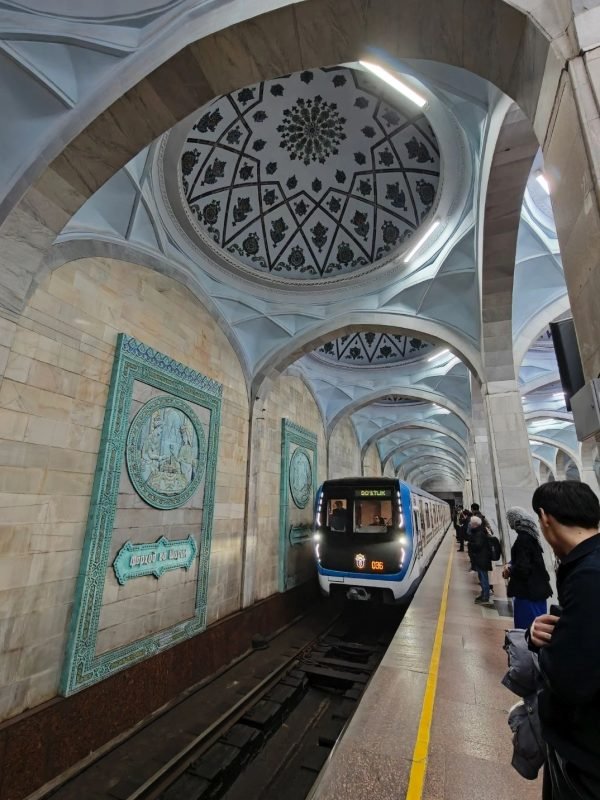
If you think the Tashkent metro is just a transport system, you are wrong. It is one of the most surprising attractions in the city and one of the most artistic underground networks anywhere.

The metro opened in 1977 as part of rebuilding after the 1966 earthquake. It was designed to be both functional and symbolic. Every station carries a piece of Uzbekistan’s history, culture or national identity. Photography was banned for decades because the system was classified as strategic infrastructure. Only recently were visitors allowed to take pictures.

There are 35 stations across several lines. I found it extremely clean, safe, efficient and very cheap to use. A short ride costs less than a bottle of water.

Here are the five stations worth understanding, not just visiting.

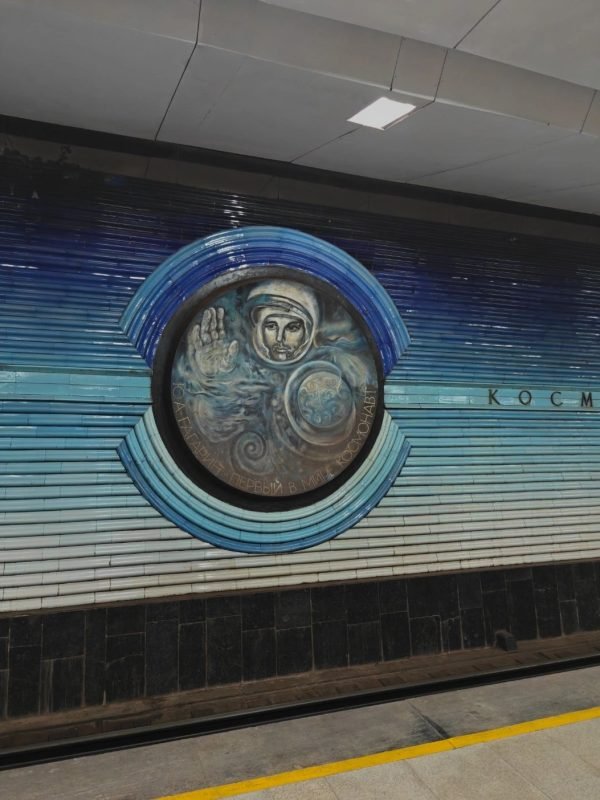
Kosmonavtlar

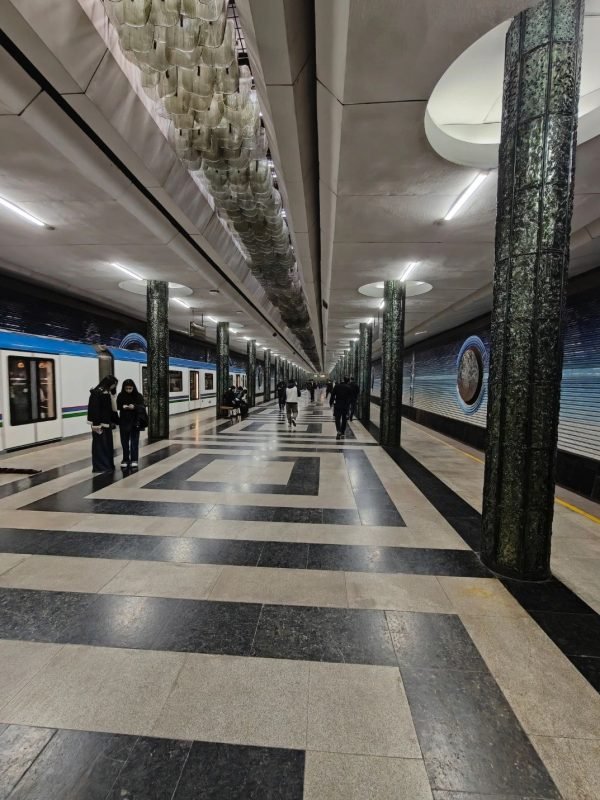
The name means “Cosmonauts.” It honours the Soviet space era, which was a source of pride for Uzbekistan because several key figures in space research were trained or stationed in the region. The portraits on the walls show legends like Gagarin and Tereshkova. It is the most famous themed station in the network.

Alisher Navoi

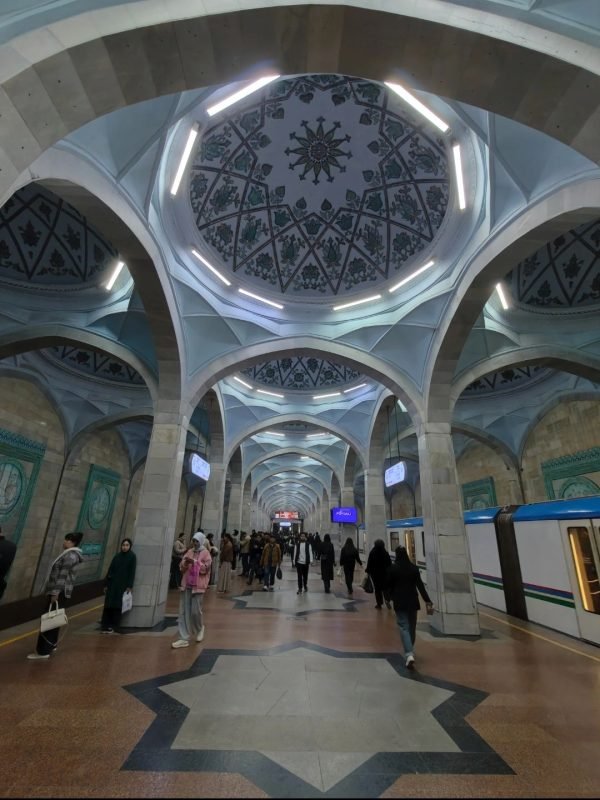
Named after Alisher Navoiy, the most celebrated poet and thinker in Uzbek history. He shaped the Chagatai language, which later influenced modern Uzbek. The design reflects classical Persian and Timurid aesthetics that match the era of his writing. The station symbolises national literary heritage

Mustaqillik Maydoni

Named after the main Independence Square of Uzbekistan. The name means “Independence Square.” The station represents the country’s identity after the Soviet period. The tall marble columns and bright symmetry echo the open ceremonial spaces above ground. It is, in a way, a tribute to national independence.

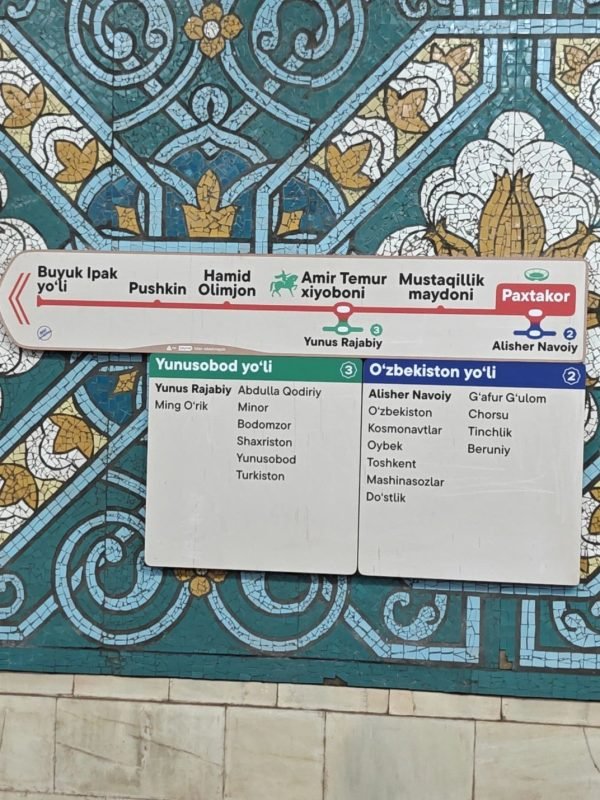
Paxtakor

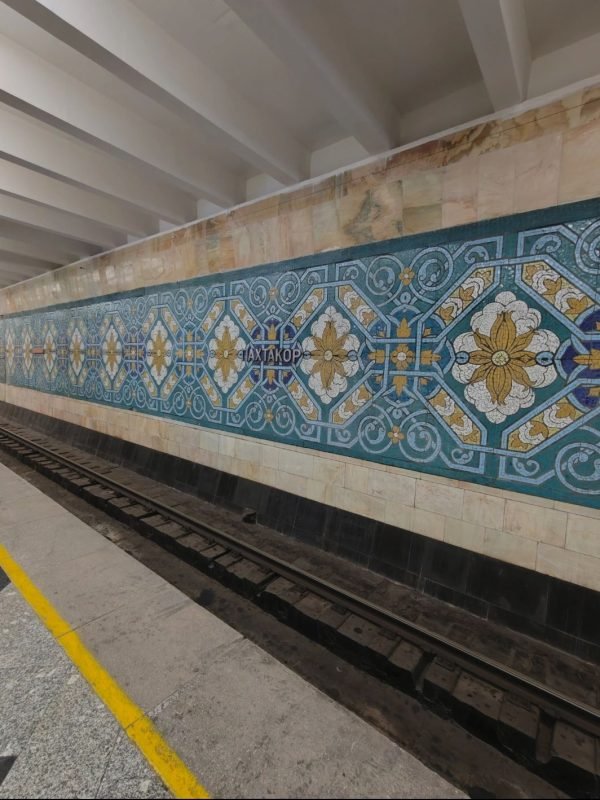
Paxtakor means “cotton worker.” Cotton has been a central part of Uzbekistan’s economy for decades. The mosaics inside the station symbolise cotton fields, textile patterns and agricultural heritage. It is also a strategic interchange station, which reflects how central cotton has been to the country’s economy.

Gafur Gulom

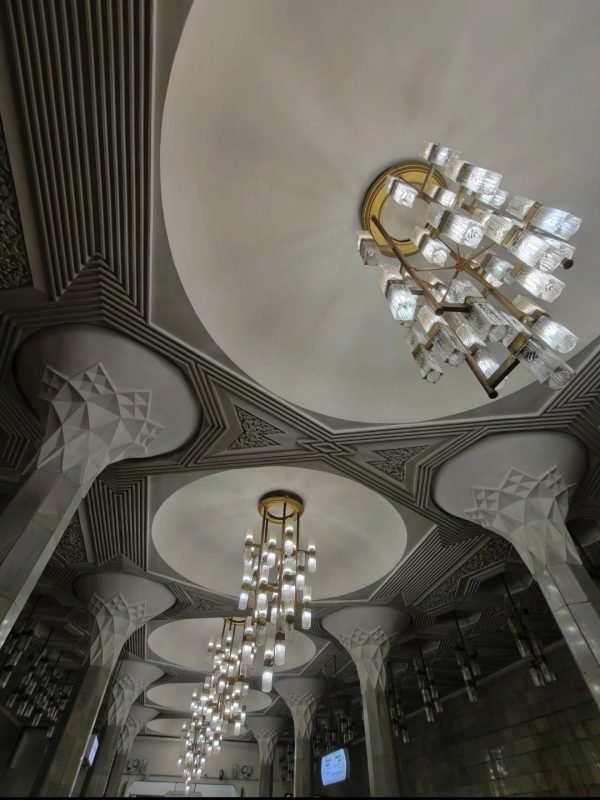
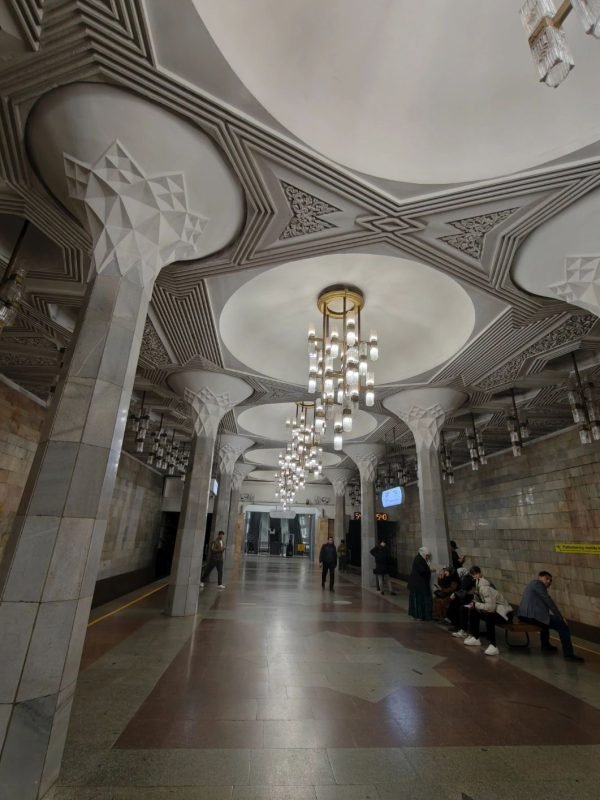
Named after Gafur Gulyam, one of Uzbekistan’s modern writers and poets known for his humour and human warmth. His work often showed the everyday life of ordinary people. The lighter, playful design of the station matches his personality and the tone of his writings.

The Tashkent metro is more than transport. It is a cultural map under the city.

If you’ve travelled on it, which station gave you the strongest impression?

Tashkent Metro
Tashkent Metro 1
Tashkent Metro 2
Tashkent Metro 3
Tashkent Metro 4
Tashkent Metro 5
Tashkent Metro 6
Tashkent Metro 7

Retracing the past

5 1 vote
Article Rating
Subscribe
Notify of
guest
0 Comments
Oldest
Newest Most Voted
Inline Feedbacks
View all comments