If you search “Chutney Restaurant” on Google the result comes back as ” Indian restaurant”.
Walk up to the entrance on Jones Street in San Francisco and the sign says ” Indian Pakistani restaurant”.
#KhabibNurmagomedov, the undefeated UFC champion worth around forty million dollars, has been eating at #Chutney for over twelve years, and he keeps coming back to this no frills spot.
What is he tasting that keeps drawing him back? The answer opens up something most Western diners have never had the chance to properly understand: the genuine differences between Pakistani cuisine, Indian cuisine, and the Mughlai tradition that connects them.
When South Asian restaurants began opening across the West, Indian establishments arrived first and in the largest numbers, and the label “Indian food” entered the cultural vocabulary so firmly that everything which followed got poured into the same container. It was a practical decision but decades later it has hardened into assumed fact.
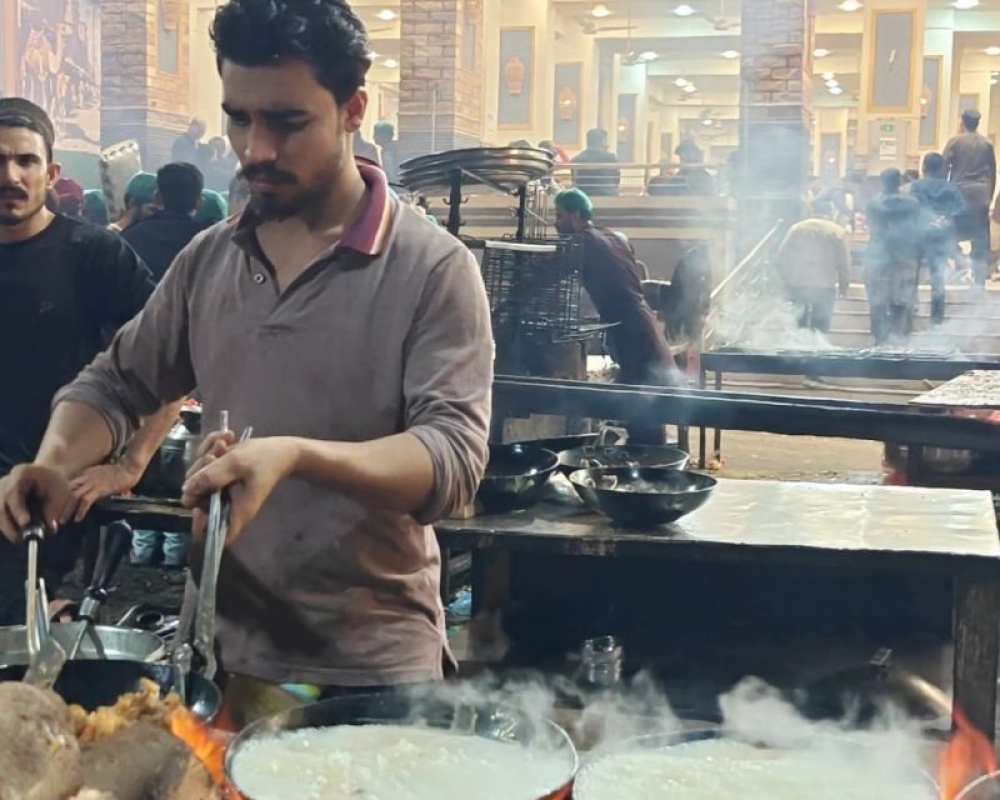
#PakistaniFood is built around meat, fire, and time, with the tandoor and the open flame sitting at the heart of the cuisine. Nihari slow braises through the night until the shank turns silky and profound, chapli kebab from Peshawar arrives wide and flat and charred at the edges, and dishes like sajji and dum pukht from Balochistan represent techniques refined over centuries in arid, landlocked terrain.
#NorthIndianCuisine, particularly in Punjab, shares real overlap with Pakistani food. But move further into India and the cuisine shifts in ways that are not subtle.
#BengaliCuisine, shaped by river deltas and monsoon climate, is built around fish in mustard oil with restrained, complex spicing through panch phoron. Further south, rice replaces wheat, coconut milk and tamarind dominate, curry leaves appear constantly, and the proteins lean lighter, producing a cuisine that bears as much resemblance to a Lahori karahi as French food bears to Portuguese food.
Mughlai food is genuinely Indian in origin, in the sense that it was created in the kitchens of the Mughal emperors who ruled the subcontinent for three centuries from their courts in Delhi, Agra, and Lahore. What distinguishes it from the everyday Indian cooking most Westerners know is its courtly weight and its imported lineage,the Mughals carried their culinary references from Persia, Central Asia, and Afghanistan, and that influence lives on in korma, biryani, shahi tukda, and nargisi kofta, with their slow reductions of spiced yoghurt and their emphasis on layered slow cooking.
Once you understand that “Indian food” as most of the West knows it actually represents a narrow northern corridor of an extraordinarily diverse subcontinent, and that Pakistani and #MughlaiCuisine sit just adjacent to it with their own identities, you start eating differently. You start asking better questions about menus. For More Information visit our website halaltravelpal.




[…] 🔗 Share this post […]