halaltravelpal.com
97%
Halaltravelpal
0%

Guangzhou’s Islamic Past Still Lives Near the Canton Fair

Australia’s Muslim Cameleers

Angelica Hazel Toutounji is an Australian freelance travel writer published in The National and other lifestyle platforms. Based in South Australia, she writes about family travel, cultural identity and meaningful destination experiences through a personal lens. A wife, mother and proud Muslim convert, she enjoys exploring different cultures, discovering local cuisines and visiting mosques around the world. She is also the host of the travel podcast The Travel Date, where she shares personal travel stories and conversations about global journeys.

Guangzhou hosts the Canton Fair, one of the world’s largest trade gatherings. Long before modern exhibition halls and global expos, Muslim traders were already arriving here, and their story still survives in a quiet Islamic heritage complex in the city.

Not far from Hong Kong, Guangzhou is in southern China,a historic port city that has connected China to the world for centuries.

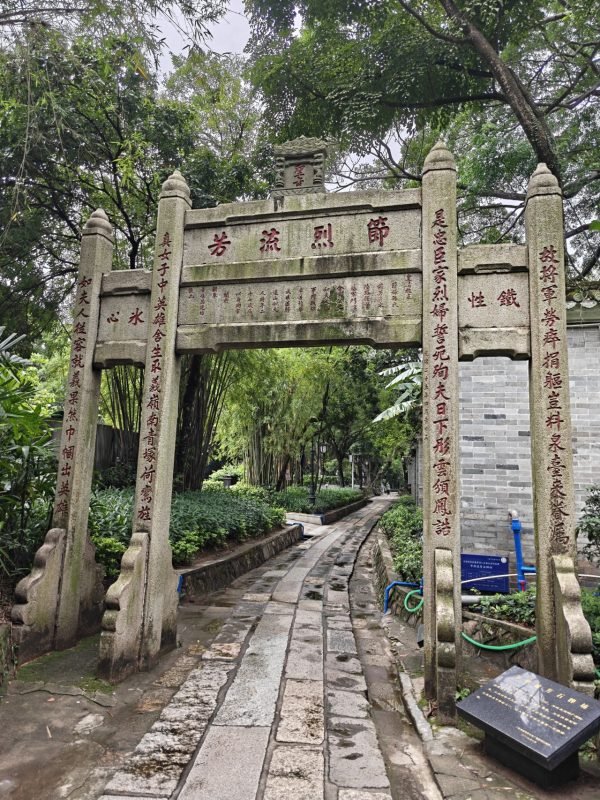
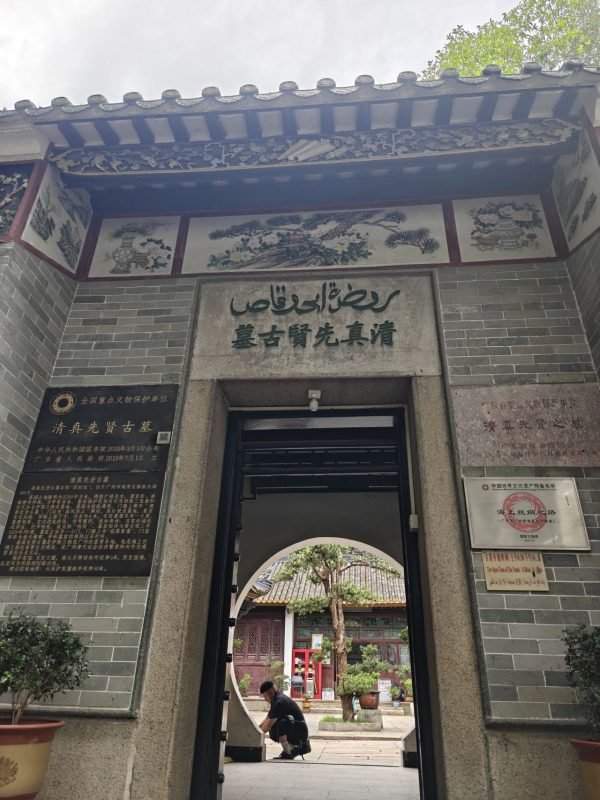
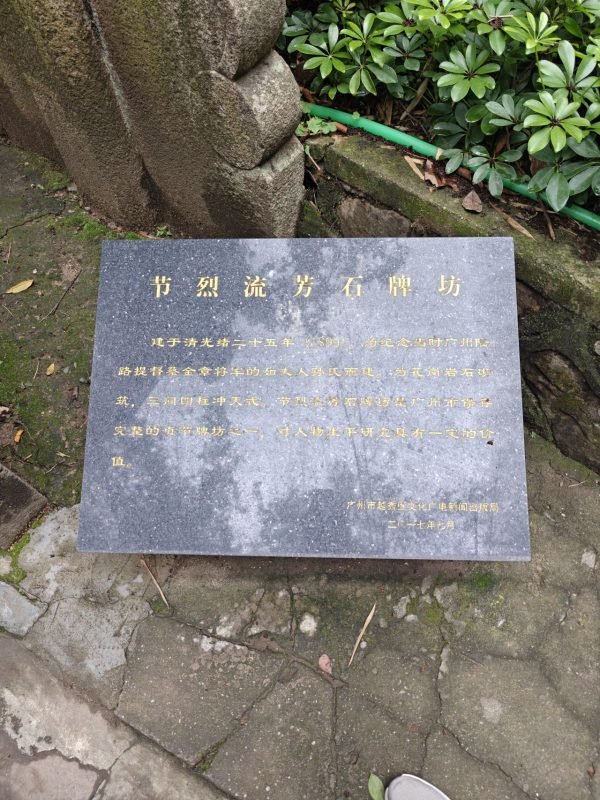
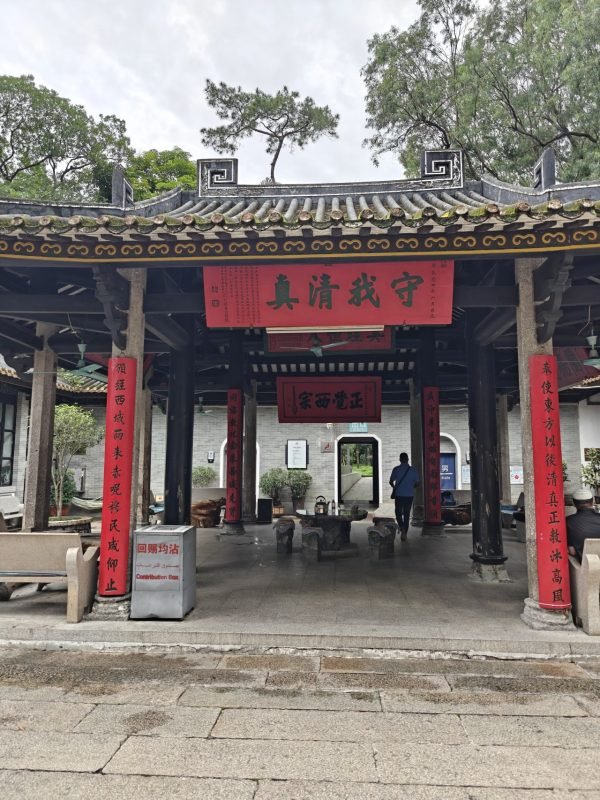
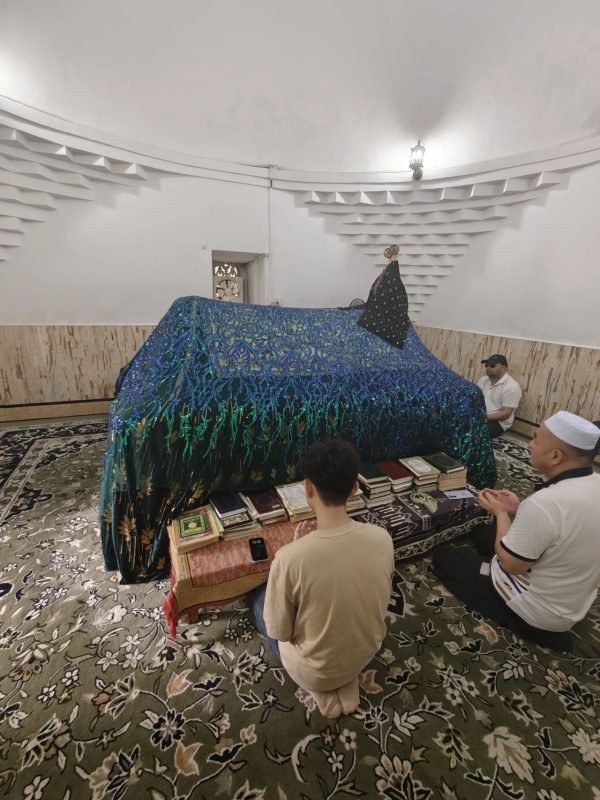
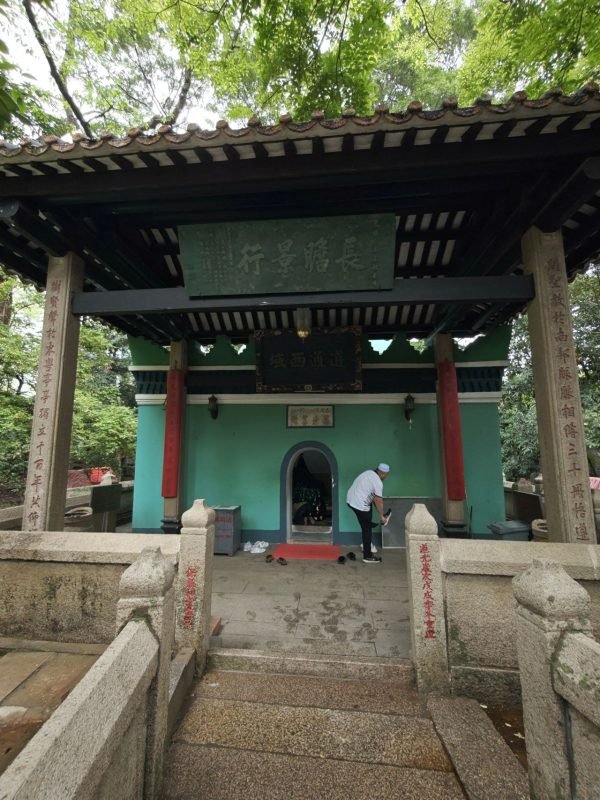
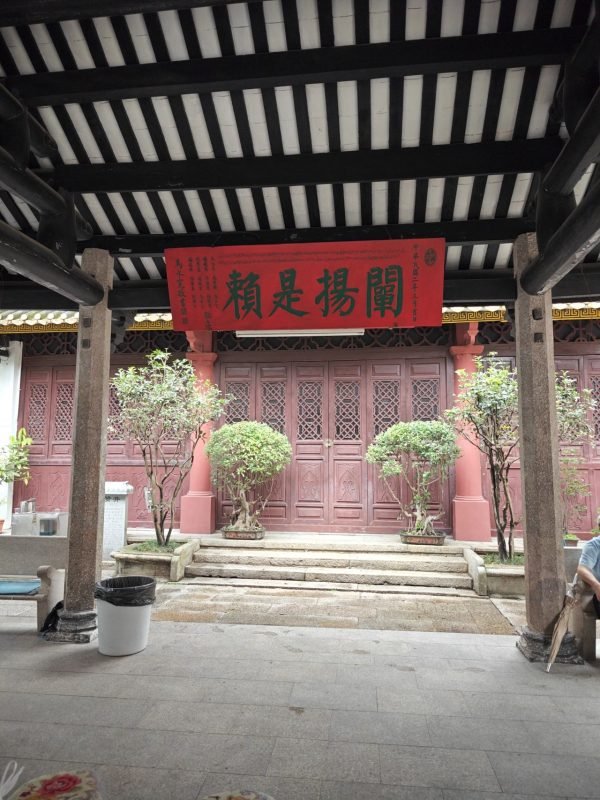
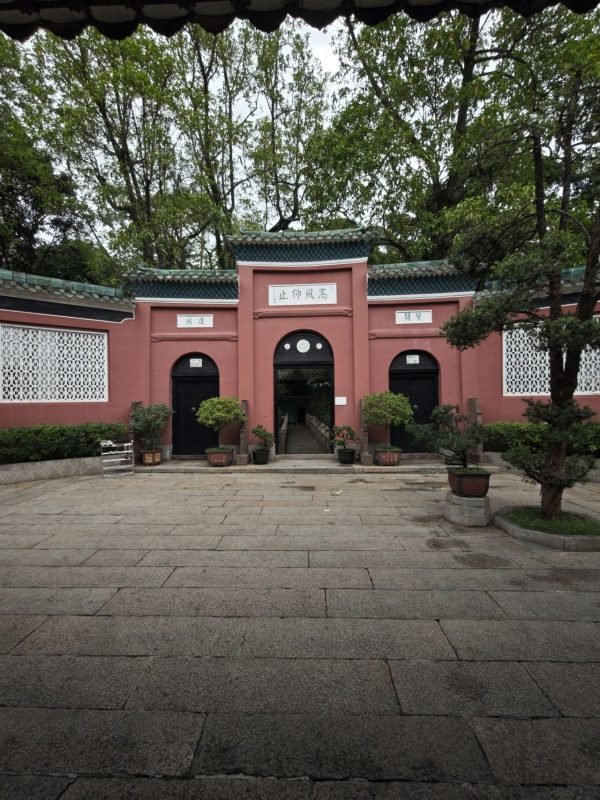
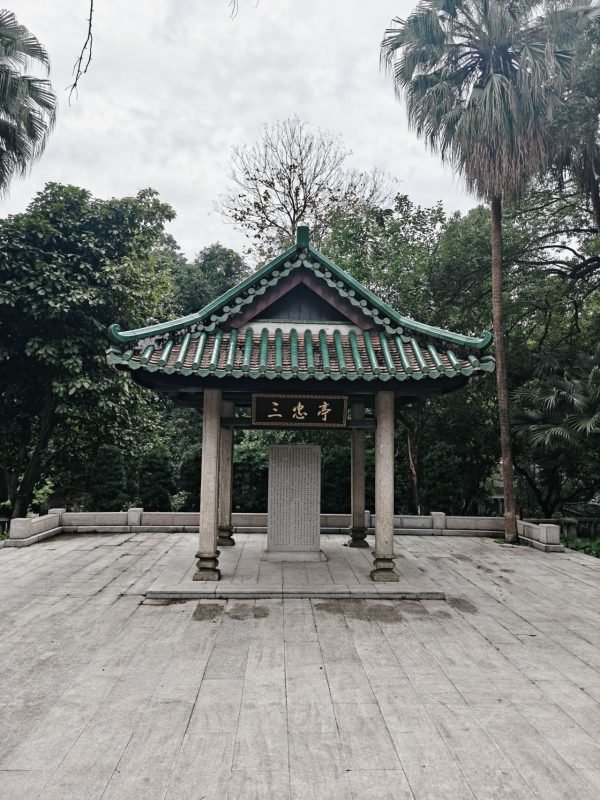
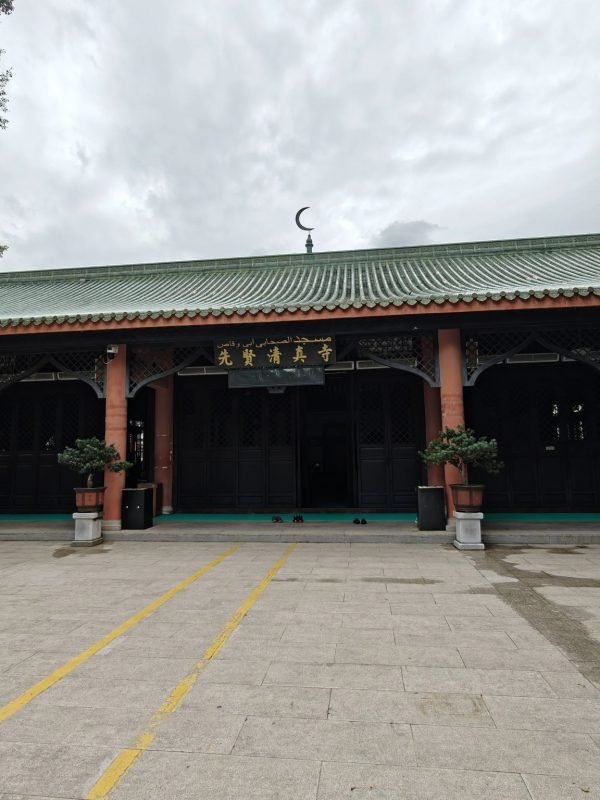
One of the important landmarks in the city is the Ibn Abi Waqqas Complex. Once inside, the city softens. It’s calm, shaded, and reflective. This is not a single monument but a walled complex that includes a mosque, a central tomb, and several surrounding graves.

During the Tang Dynasty, Arab and Persian Muslim merchants travelled along the Maritime Silk Road and settled here. Some lived out their lives in Guangzhou. Some died here. The graves are believed to belong to early Muslim traders, community figures, and pioneers who became part of the city rather than passing through it.

The complex is traditionally linked to Hazrat Saʿd ibn Abi Waqqas RA, a respected figure in early Islamic history. However, there is no strong historical evidence that he is buried here. An interesting detail many visitors miss is that the name on the gate reads “Ibn Abi Waqqas,” not “Saʿd ibn Abi Waqqas.” This reflects how the site sits at the intersection of history, tradition, and local memory, rather than a single confirmed biography.

What is not debated is the importance of the site itself.The Chinese government has officially listed the complex as a protected cultural heritage site, recognising it as part of China’s historical and religious landscape.

Despite being in central Guangzhou, it is remarkably peaceful.If you’re in Guangzhou for business, especially around the Canton Fair, this stop adds context to the city you’re trading in.
Guangzhou’s Islamic Past Still Lives Near the Canton Fair
Guangzhou’s Islamic Past Still Lives Near the Canton Fair 1
Guangzhou’s Islamic Past Still Lives Near the Canton Fair 2
Guangzhou’s Islamic Past Still Lives Near the Canton Fair 3
Guangzhou’s Islamic Past Still Lives Near the Canton Fair 4
Guangzhou’s Islamic Past Still Lives Near the Canton Fair 5
Guangzhou’s Islamic Past Still Lives Near the Canton Fair 6
Guangzhou’s Islamic Past Still Lives Near the Canton Fair 7
Guangzhou’s Islamic Past Still Lives Near the Canton Fair 9
Guangzhou’s Islamic Past Still Lives Near the Canton Fair 8

Retracing the past

5 1 vote
Article Rating
Subscribe
Notify of
guest
0 Comments
Oldest
Newest Most Voted
Inline Feedbacks
View all comments