halaltravelpal.com
97%
Halaltravelpal
0%

January 02,2026

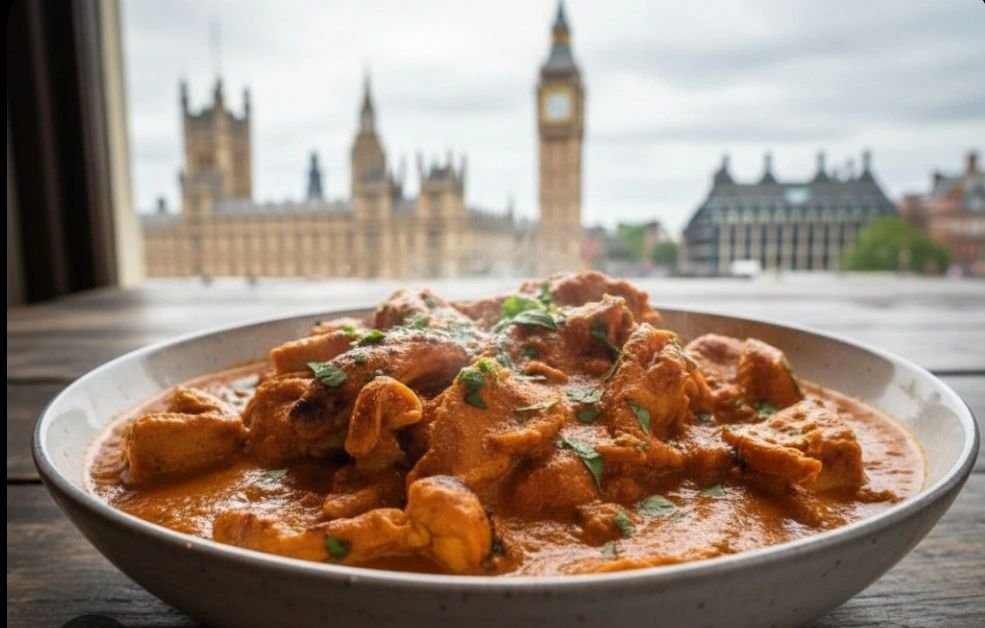
The Curry That Quietly Redefined Britain

In 2001, the then British Foreign Secretary Robin Cook stood in Parliament and said “Chicken tikka masala is now a true British national dish, not only because it is the most popular, but because it is a perfect illustration of the way Britain absorbs and adapts external influences.”

It was an unusual moment. A senior politician wasn’t talking about foreign policy or trade. He was talking about curry.

Not fish and chips.

Not roast beef.

Chicken tikka masala.

That single statement captured modern Britain better than many speeches ever have. But the story of how this dish earned such a status begins far from Westminster.

Despite its place in Britain’s food identity, chicken tikka masala did not come from Lahore, Delhi or any ancient royal kitchen. One of the most widely told stories places its birth in Glasgow’s West End.

The story begins with Ali Ahmed Aslam, a Pakistani born chef who moved to Scotland as a child. In 1964, he opened a small restaurant called Shish Mahal, serving South Asian food to locals who were curious but cautious.

They liked the flavours. They just wanted them gentler, creamier and more comforting.

In the early 1970s, a customer complained that his chicken tikka was “too dry.”Instead of defending the dish, Aslam adapted it. He added a tomato based sauce with cream and spices, turning a dry starter into a rich main dish. There was no grand plan. No intention to create a classic. Just a chef listening to his customer.

That moment matters because chicken tikka masala was not born out of tradition. It was born out of hospitality.

Chicken tikka masala fits Britain because it was shaped for Britain. Robin Cook later explained that British diners prefer their meat served with sauce. In simple terms, gravy matters. This wasn’t South Asian cuisine trying to stay pure. It was South Asian cooking responding to the people it served.

Today, it’s estimated that one in seven curries sold in the UK is chicken tikka masala. It appears on menus across the country, often abbreviated to “CTM,” as if no explanation is needed. The Shish Mahal still operates on Park Road in Glasgow.

The Glasgow story is compelling, but it isn’t the only one. Chefs in Birmingham and London, many from Bangladeshi backgrounds, were also adapting dishes for British tastes around the same time.

Chicken tikka masala tells an honest story about Britain. Culture doesn’t survive by staying fixed. It survives by adapting, listening, and responding to the people who sit at the table.

Chicken tikka masala didn’t just change British menus. It quietly changed how Britain described itself.

Not every national story is written in books. Some are served on a plate.

5 2 votes
Article Rating
Subscribe
Notify of
guest
0 Comments
Oldest
Newest Most Voted
Inline Feedbacks
View all comments